
Let’s be real, aggressive sales tactics often do more harm than good. Shouting, "Stream my song!" or "Buy my album!" can come across as pushy, causing potential fans to tune out. Instead, many artists are adopting indirect marketing—a strategy centered around storytelling, community engagement, and offering genuine value. By focusing on these aspects, musicians create deeper, lasting connections with their audience, leading to organic growth and stronger support.
What is indirect marketing?
Indirect marketing is a strategy that promotes an artist’s music and brand without directly selling it. Instead of pushing for streams or ticket sales, it focuses on engaging audiences through compelling narratives, community-building, and value-driven content.
Why it works:
Audiences are already bombarded with direct sales pitches. And truth is, who likes to feel sold? Instead, emotional and engaging content stands out.
Fans connect more deeply with artists who share personal stories, struggles, and behind-the-scenes insights.
It builds long-term relationships, leading to higher loyalty and organic word-of-mouth growth.
The role of storytelling in music marketing
Great storytelling makes an artist memorable. Fans don’t just connect with songs—they connect with the artist’s journey, message, and persona.
Key narrative strategies for artists:
The underdog story – Sharing struggles, failures, and challenges before achieving success (e.g., starting from nothing, overcoming adversity, going through a heartbreak, etc…).
Cinematic and serialized storytelling – Concept albums, interconnected music videos, or marketing strategies that immerse fans in a larger narrative.
Documenting the process – Sharing behind-the-scenes footage of songwriting, recording sessions, or personal struggles fosters emotional investment.
Mystery and scarcity – Controlled releases, cryptic social media teasers, and infrequent but highly impactfulappearances create anticipation and demand.
Community-building – Turning fans into brand advocates by giving them a sense of participation in the artist’s journey.
Cultural or social movements – Aligning music with a cause or a cultural shift to make a bigger impact.
In the digital era, authenticity and emotional engagement drive success. Let’s examine how storytelling fits into this equation.
Narrative Archetypes in Artist Branding
There are timeless storytelling structures that have shaped narratives for centuries. Many of these can be adapted to an artist’s brand, either intentionally or organically. Here are three major models that have proven effective in the music industry:
1. The Hero’s Journey (The Underdog Arc)
This classic storytelling framework, derived from Joseph Campbell’s The Hero with a Thousand Faces, follows a protagonist who faces struggles, overcomes adversity, and achieves success.
📌 Example: Eminem – His life story is deeply embedded in his brand. From battle rap circuits to global success, his journey is a blueprint for The Underdog Arc. Fans connect with his struggle, his failures, and his eventual triumphs.
📌 Example: J. Cole – From sleeping in his car to becoming one of the most respected lyricists of his generation, his music often reflects his personal growth, mirroring The Call to Adventure → The Trials → The Reward.
Why this works: Fans become emotionally invested when they feel they are part of the rise. They root for the artist, not just consume their work.
How artists can use it:
Share personal experiences that illustrate struggle and perseverance.
Make the audience feel like they’re growing with you.
Use your past failures as a relatable part of your brand story.
2. The Tragic Artist (The Mythology Arc)
Some artists create aesthetic-driven storytelling that leans into mystery, pain, or even self-destruction. This type of branding taps into deep emotions and often fosters cult-like loyalty.
📌 Example: Kurt Cobain – His reluctance toward fame, combined with his troubled life and tragic end, turned him into an immortalized figure of rebellion and pain.
📌 Example: Twenty One Pilots – Tyler Joseph and Josh Dun built an entire mythology around their music, using symbolism, cryptic storytelling, and a distinct aesthetic. The Blurryface era introduced a character representing insecurities and self-doubt, while Trench expanded their universe with the dystopian city of Dema.
Why this works: It taps into melancholy, nostalgia, and longing, powerful emotions that make art feel deeply personal.
How artists can use it:
Control how much of yourself you reveal. Scarcity creates intrigue.
Craft a visual and sonic world that feels immersive and cinematic.
Use symbolism and metaphor in your music and branding to create depth.
The Rockstar/Rebel (The Disruptor Arc)
This is the artist who challenges norms, rejects conventions, and turns themselves into a cultural movement. Their marketing is disruptive, unexpected, and demands attention.
📌 Example: Rosalía – A master of cultural fusion and reinvention, Rosalía blends traditional flamenco with modern pop and reggaeton, crafting each album as a distinct aesthetic and narrative experience. El Mal Querer was structured like a medieval novel, while Motomami introduced an entirely new alter ego—rebellious, raw, and transformative. Her visuals, performances, and even social media presence are meticulously curated to evolve with each era, making her artistry feel like an unfolding story.
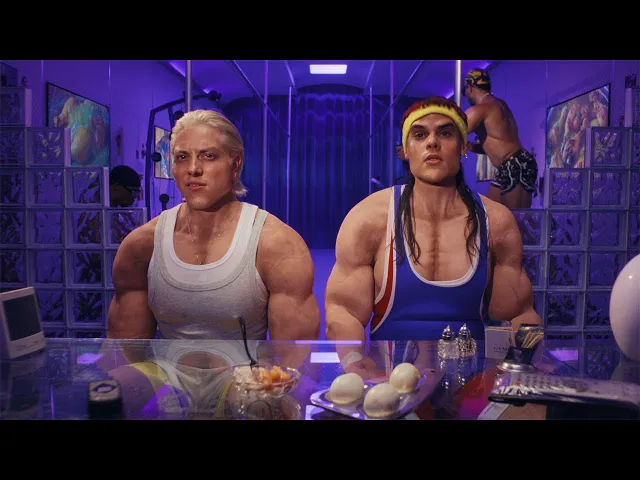
📌 Example: Ca7riel and Paco Amoroso have masterfully blended their music releases with compelling storytelling and sharp marketing. Their recent 16’ short film, released alongside their album "Papota," satirizes the entertainment industry's obsession with success. The narrative critiques pressures like learning English, image management, and music commercialization, reflecting real industry challenges.
Why this works: People are drawn to leaders and rule-breakers. This storytelling arc turns artists into symbols of rebellion, attracting audiences who want to be part of something countercultural.
How artists can use it:
Position yourself as the opposite of the mainstream.
Challenge industry norms through messaging, visuals, or sound.
Develop a movement, aesthetic, or philosophy that fans can adopt.
How can you apply it to your own branding?
1. Define your narrative
Before releasing content, ask yourself:
What emotions do I want my audience to associate with me?
Am I the underdog, the mysterious artist, or the rebellious innovator? Or another one? Express yourself!
What real-life experiences or themes will define my brand’s storytelling?
2. Use social media as a storytelling tool
Share behind-the-scenes content (but not everything—leave room for intrigue).
Build anticipation by revealing content in pieces rather than all at once.
Engage audiences through interactive storytelling (polls, cryptic messages, unexpected drops).
3. Make every release feel like an event
Instead of simply dropping music, create a narrative-driven rollout.
Use suspense, scarcity, or a developing storyline across different media.
Reward long-time fans with Easter eggs and hidden meanings in content.
4. Build culture, not just a fanbase
Create a sense of identity that fans can adopt (fashion, slang, ideology, humor, vibe…).
Give them something to belong to—whether it’s a movement, an inside joke, or a shared cause.
Leverage community engagement to make fans feel personally involved in your journey.
One artist I’ve always admired—not just for his music, but for the way he connects with his audience—is Frank Ocean. Though he hasn’t released new music under his name in years, his unique approach to storytelling and engagement remains impactful. I invite you to explore his journey.
Conclusion
At its core, indirect marketing is about pulling audiences into an artist’s world rather than pushing content onto them. It builds a relationship rather than just driving a transaction.